AI infrastructure is the built environment for intelligent systems, just as physical infrastructure supports cities, AI infrastructure underpins the lifecycle of modern AI applications, from data intake and model training to deployment and monitoring.
According to Fortune Business Insights, the global AI infrastructure market is projected to grow from US$ 46.15 billion in 2024 to US$ 356.14 billion by 2032. In the digital transformation race, companies that put forth strategic investment in AI infrastructure are doing so to develop smarter, more efficient, and forward-looking systems.
What is AI Infrastructure?
AI infrastructure is the collective term for the hardware, software, data pipelines, and orchestration tools that go into developing, training, deploying, and managing AI applications. Also, unlike traditional IT, which is, for the most part, used in static workflow support or transactional apps, AI infrastructure is dynamic in nature. It is used for large-scale data processing, deep learning workloads, and iterative experimentation.
It is a broad set of elements which include high-performance GPUs, data lakes, distributed storage, machine learning platforms and scalable cloud environments. AI infrastructure ensures models are trained on large-scale datasets efficiently, deployed into production seamlessly, and continuously monitored for performance.
Key Components in AI Infrastructure
Building an effective AI infrastructure requires several key components:
- Compute Resources: High-performance CPUs and GPUs (or TPUs) are what you’ll want for training and inference. In the cloud with players like AWS, Azure, and Google Cloud, you’ll find a computer that scales flexibly for AI workloads.
- Storage Systems: AI works in scalable storage that includes object stores (for example, Amazon S3), distributed file systems, and data lakes, which we use for very large data sets.
- Data Pipelines: Apache Kafka, Airflow, or Spark are used for the automation of the data movement and transformation across systems.
- AI/ML Platforms: Platforms such as TensorFlow, PyTorch, and MLFlow support the development, experimentation, and deployment of models by data scientists.
- Model Serving and Monitoring Tools: Once a model goes into production, tools such as KServe, Seldon, and Prometheus enable version control, performance tracking, and real-time monitoring.
AI infrastructure delivers its true value when these technologies work together as an integrated, end-to-end system rather than isolated tools.
Main Functions of AI Infrastructure
AI infrastructure performs several key functions that are critical to the success of AI projects and to supporting broader IT management solutions within an organization:
- Data Management: Storing, organizing, and preparing large sets of both structured and unstructured data for analysis and modeling.
- Compute Provisioning: Providing the computational power needed for training complex models, which in particular are deep learning architectures that require GPU acceleration.
- Model Lifecycle Management: Through the use of automation and orchestration tools.
- Monitoring and Governance: Implementing and checking for compliance, traceability, and performance in all aspects of AI deployment.
- Scalability and Elasticity: Auto-scaling infrastructure resources to meet evolving project needs and data growth.
These functions allow AI projects to scale seamlessly from proof of concept to full production with minimal friction and maximum impact.
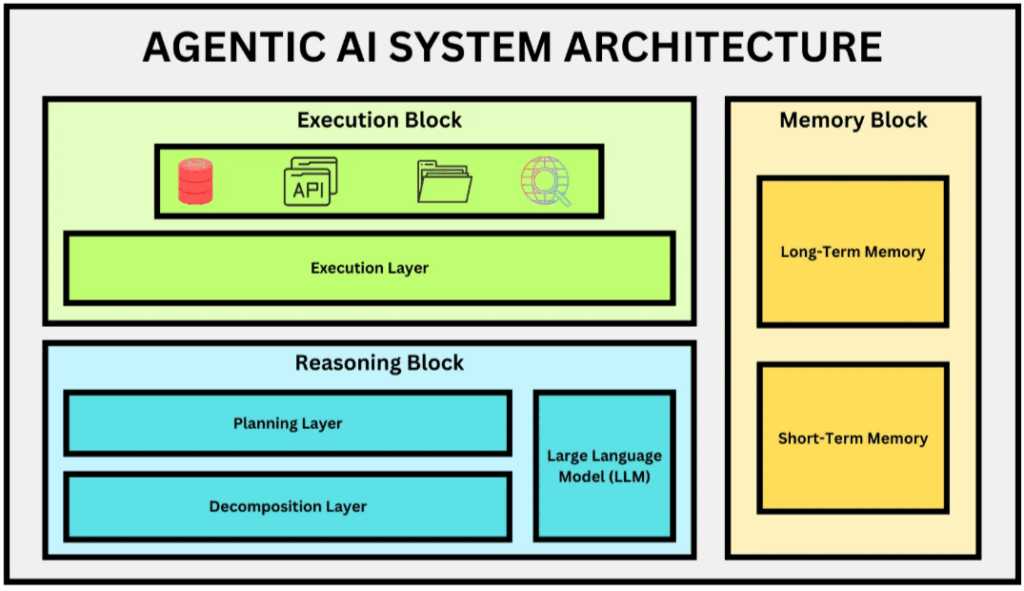
Source
Main Differences Between AI and IT Infrastructure
While AI and traditional IT infrastructures both serve as foundational elements for enterprise systems, their similarities end there. Traditional IT infrastructure is built around predictable, linear workflows, such as ERP, CRM, and transaction processing systems, prioritizing stability, availability, and straightforward scaling.
In contrast, AI infrastructure is highly dynamic and continuously evolving. It must support large-scale parallel processing, ongoing model training, and real-time data streaming. Unlike IT systems, which are typically configured once and then managed with minimal change, AI systems require flexible, on-demand compute and storage resources. Success also depends on close collaboration across data science, engineering, and operations teams to ensure seamless, cross-functional coordination.
Advantages of AI in Smart Systems
Invest in AI infrastructure, and you will see returns across many fields:
- Faster Innovation Cycles: AI infrastructure, which provides automated pipelines and scalable resources, also decreases the time between ideation and production.
- Improved Model Accuracy and Reliability: Continuously monitoring model performance and updating models based on new data ensures they remain accurate, reliable, and aligned with evolving real-world conditions.
- Operational Efficiency: Automation of data pipelines and model deployment reduces human intervention and operational costs.
- Enhanced Decision-Making: AI-based solutions that are built on strong infrastructure are able to present real-time insights, anomaly detection, and predictive features at scale.
- Future-Readiness: A strong AI platform that puts organizations in a position to adopt emerging tech areas like generative AI, edge computing, or autonomous systems with little disruption.
In today’s environment, organizations that invest in high-quality AI infrastructure are more agile, stay ahead of competitors, and can deploy intelligent solutions across their value chain with greater speed and efficiency.
The Business Case for AI Infrastructure Investment
AI infrastructure is not just a technical foundation, but a growth enabler. Organizations that prioritize it see tangible ROI through faster innovation, improved efficiency, and a sharper competitive edge. Its key business benefits include:
- Accelerated Time-to-Market: Streamlined data pipelines and automated deployment shorten the journey from model design to production.
- Lower Risk of Model Drift and Downtime: Continuous monitoring ensures systems remain accurate and reliable.
- Optimized Resource Utilization: Scalable infrastructure prevents over-provisioning and aligns costs with real usage.
- Competitive Differentiation: Early adopters can launch intelligent products and services faster, improving market share and customer experience.
- Future Readiness: A robust foundation simplifies the adoption of new technologies like generative AI, edge AI, and autonomous systems.
Investing in AI infrastructure pays off by turning innovation into a repeatable, measurable advantage and by future-proofing the enterprise in an increasingly AI-driven market.
The Challenges When Building AI Systems
Despite its benefits and business case, the growth and investment in AI infrastructure can be demanding and challenging in several ways:
- Complex Integration: Designing and implementing a smooth workflow out of many different components compute, data, orchestration, and deployment tools, is a task that requires great care and skill.
- High Costs: Acquiring GPUs, running clusters, or scaling large cloud environments can go broke without proper resource management.
- Talent Shortages: There is a shortage of professionals with expertise in data science, cloud engineering, and AI infrastructure
- Security and Compliance: AI applications deal with private data. As for the issue of secure and compliant behavior in all segments of the AI environment, we have more issues to deal with.
- Scalability Limits: Not all infrastructure supports seamless expansion. Performance bottlenecks, storage constraints, and unoptimized pipelines often restrict project scalability.
Organizations have to put in place strategic plans, adopt best practices, and see to it that teams are constantly upgraded.
Best Practices for Building Robust AI Infrastructure
Building AI infrastructure that is both scalable and resilient requires more than just powerful GPUs or cloud services. The right strategy ensures projects move from experimentation to production securely, cost-effectively, and with long-term adaptability. Here are some best practices to achieve this:
- Use cloud-native or hybrid approaches to balance flexibility, scalability, and cost.
- Adopt MLOps practices to automate model training, deployment, and monitoring throughout the lifecycle.
- Leverage auto-scaling and cost monitoring to optimize compute and storage resources.
- Enforce strong security and compliance checks by encrypting data, applying role-based access, and monitoring access logs.
- Audit data pipelines regularly to prevent bottlenecks and ensure data accuracy across environments.
By embedding these best practices, organizations can reduce friction in scaling AI projects and avoid costly re-engineering as workloads grow.
Conclusion
In the age of intelligent systems, AI infrastructure is more than just technical support; it is a strategic asset. It enables companies to develop scalable, reliable, and adaptive applications, which in turn grow and improve. From managing massive datasets to deploying high-performance models, the strength of an organization’s AI infrastructure ultimately determines how far it can progress in its AI journey. By thoughtfully investing in architecture, talent, and tools, and relying on experienced execution partners such as CE Interim’s Digital Transformation leadership, businesses can transform their AI infrastructure into a force for innovation and a key enabler of smarter, more future-ready systems.